





Solar Panels
Solar Panels
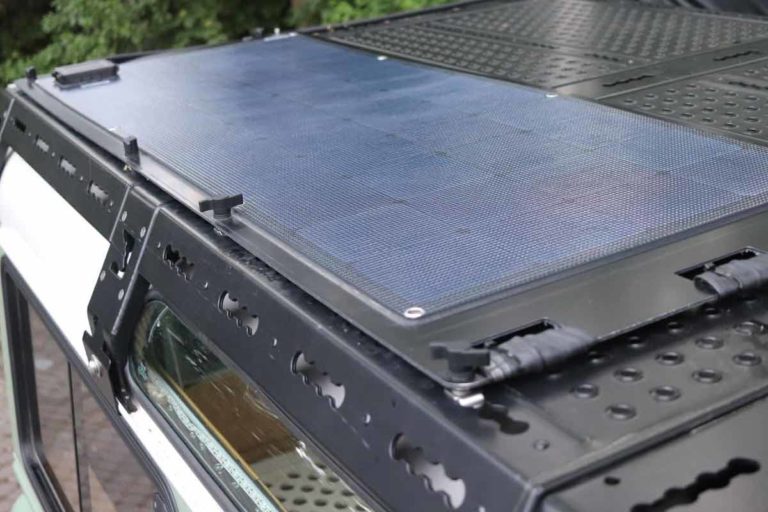
Solar panels for your camper van: ULTRAblack tiger and black tiger PRO turn your motorhome’s roof space into a source of energy for recharging your leisure battery. Choose according to the available space, your required solar output and the conditions you travel in. Alongside wattage, consider panel dimensions and compatibility with your solar charge controller.
Solar panels for your camper van: ULTRAblack tiger and black tiger PRO turn your motorhome’s roof space into a source of energy for recharging your leisure battery. Choose according to the available space, your required solar output and the conditions you travel in. Alongside wattage, consider panel dimensions and compatibility with your solar charge controller.
Which solar panel suits your camper van?
The right solar panel brings together your energy needs and the space available on your vehicle’s roof. A powerful panel is of little use if it cannot fit between your rooflight and vent. Equally, a panel that fits neatly should make a useful contribution to your charging needs.
Start with your electricity consumption and a sketch of the usable roof areas. Then compare panel ranges, dimensions and electrical specifications. Our ULTRAblack tiger and black tiger PRO ranges offer different outputs and formats to suit your layout.
ULTRAblack tiger: efficient cells and an all-black appearance
ULTRAblack tiger panels combine n-type TOPCon cells with an all-black appearance. The cells used achieve an efficiency of up to 24.8%. Different panel shapes help you make effective use of the available roof space.
This range is particularly appealing if you want efficient solar panels with a consistent all-black look. Long, narrow versions can fit alongside roof fittings, while wider formats may suit larger uninterrupted areas. The 120 Wp panels, for example, are available in both a long format and an almost square version.
black tiger PRO: high energy yield from limited roof space
The black tiger PRO range uses HPBC cells with rear-mounted electrical contacts and a cell efficiency of up to 26%. This keeps the contacts off the light-facing cell surface. Optimised temperature performance and multiple bypass diodes also help limit yield losses in hot conditions and partial shade.
This range is particularly worth considering if you want to generate plenty of energy from limited space or frequently travel in hot regions. To support temperature performance, the panels have a white backsheet rather than the all-black appearance of the ULTRAblack tiger range.
With black tiger PRO, the specific panel format still determines how effectively you can use your roof. Compare the output and dimensions of individual models rather than choosing by range name alone.
Watt-peak and efficiency: what do the figures mean?
The watt-peak rating (Wp) describes the power a solar panel produces under standard test conditions. A 180 Wp panel therefore does not deliver 180 W continuously. During your travels, sunlight, orientation, cell temperature and shading all affect actual output.
Daily energy yield, by contrast, is measured in watt-hours (Wh). It describes how much energy is generated over the course of the day. What matters for your electrical system is how that yield compares with your consumption and other charging options.
Cell efficiency and panel efficiency are also different figures. Cell efficiency refers to the solar cells themselves and excludes the frame and gaps between cells. When planning your roof layout, compare the rated output with the complete panel’s external dimensions and the additional space required for its mounting brackets.
Panel size: which combination makes the best use of your roof?
Measure the areas that are actually available, allowing for rooflights, vents, aerials and roof racks. Alongside the panel dimensions, leave room for mounting brackets, cable exits and cable routing. Rooflights must still open, and important components should remain accessible for maintenance.
A large panel can make good use of one uninterrupted area. Several smaller panels, however, can often fit more easily across separate spaces. Compare different layouts: the highest wattage of a single panel does not automatically give you the highest total output on your roof.
Also consider panel weight, mounting options and your vehicle’s permitted roof load. The mounting method must suit both the roof construction and the specific panel.
Heat and shade: key factors in everyday solar yield
Solar panels on a vehicle roof can become considerably hotter than the surrounding air. As cell temperature rises, their output falls. The power temperature coefficient describes this relationship: a less negative value means a smaller relative loss of output per additional degree under comparable conditions.
For framed panels, plan a mounting arrangement with suitable ventilation beneath the panels to help dissipate heat. Even the best cell technology cannot fully compensate for an unsuitable installation.
Avoid shading from roof fittings wherever possible. Even a partially shaded section of cells can reduce output by more than its size might suggest. Under certain conditions, bypass diodes allow affected cell sections to be bypassed electrically, but they cannot replace the missing sunlight. The impact of shading depends on the cell layout and how the shadow falls across it.
Solar panels and MPPT charge controllers must be compatible
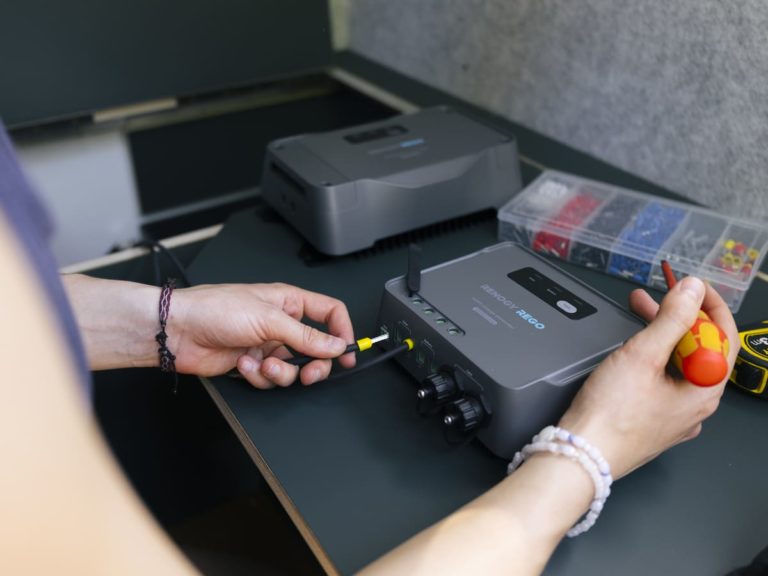
A solar panel connects to your leisure battery through a suitable solar charge controller. The panel voltage does not need to match the battery voltage: a suitable MPPT controller converts the solar power into the appropriate charging voltage and current.
Wattage alone is not enough to choose a compatible controller. In particular, check the panels’ open-circuit voltage, maximum power point voltage and short-circuit current against the controller’s permitted input values. Open-circuit voltage rises in cold conditions and must remain below the controller’s limit even then. At the same time, the panel voltage must be sufficient for the controller’s operating and start-up requirements.
Our MPPT controllers from Victron Energy and Votronic offer different output ratings and features. Choose the specific model to suit your planned panel wiring arrangement, battery voltage and monitoring requirements.
Combining several solar panels or expanding an existing array?
When panels are connected in series, their voltages add together; when connected in parallel, their currents add together. These arrangements place different demands on the charge controller, wiring and circuit protection. The appropriate configuration depends on the panel specifications and your system.
If you want to combine different panels, similar wattage is not enough. For a series connection, their maximum power point currents should be closely matched; for a parallel connection, their maximum power point voltages should be closely matched. Poorly matched combinations can leave some of the available output unused.
Before expanding an array, check the specifications of your existing panels and the spare capacity of your charge controller. Separate MPPT controllers can be useful for substantially different panels or groups of panels facing different directions.
Individual panels or a complete solar kit?
Individual solar panels are the right choice if you are designing your own setup, already have a suitable charge controller or want to expand an existing array. Allow separately for the required mounting brackets, cable seals, cables, connectors and protective components.
If you are building a new system and would prefer not to select every component individually, our complete solar kits offer matched packages with panels, an MPPT charge controller, mounting hardware and connection materials.
Use these points to narrow down your choice
- Energy needs: How much should solar contribute to your daily electricity supply, and which other charging sources are available?
- Roof layout: Which panel formats fit, including brackets and clearance from roof fittings?
- Panel range: Is the all-black appearance of ULTRAblack tiger important to you, or would you benefit from the features of black tiger PRO?
- Travel conditions: How significant are heat, the season and potential shading on your trips?
- System compatibility: Do the panel voltages, currents and planned wiring arrangement suit your charge controller?
If you are still unsure of your energy requirements, our Offgrid Designer Pro helps you consider your appliances, driving stages and time spent parked together. This allows you to plan your solar array around the way you travel.